1926: When Drumheller
First Roared
and Six Tips for Visiting Drumheller in 2026
EXPLORE MORE
By: Jay Russell

In 1911, the Newcastle Mine hauled its first load of coal by wheelbarrow, sparking the Drumheller Valley’s Great Coal Rush. By 1926, more than a dozen mines ran at full capacity, and twelve thousand migrants lived in hastily built camps along the Red Deer River Valley, including Newcastle, Midland, Rosedale, Rosedeer, Excelsior, and Arcadia.
The coal rush drew a diverse workforce. Skilled Black, white, Chinese, Indigenous, and Métis workers arrived from Glace Bay, West Virginia, Ukraine, Hungary, Italy, China, Lebanon, Siksika, Wales, and beyond. At the Atlas Coal Mine, miners spoke 26 languages, and only a third identified as Canadian. Life was rugged. When not underground, miners drank, gambled, and fist-fought, and 1926 was the bloodiest year, with an average of one miner disabled or killed every workday.
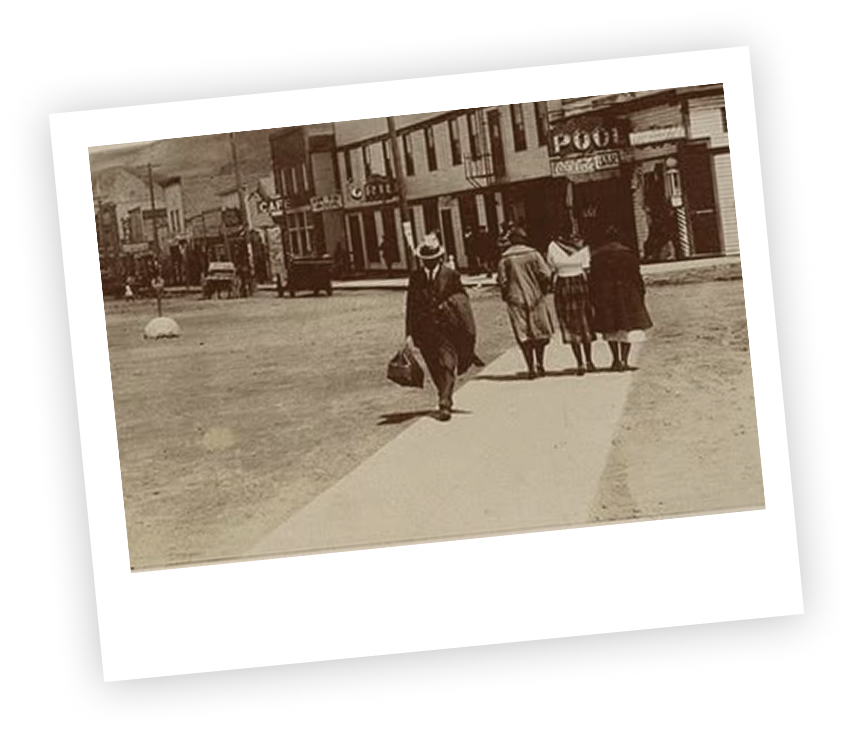
By the mid-1920s, Drumheller had grown into a hub for miners. Hotels, taverns, billiard halls, and all-night cafés offered ways to spend pay. Brothels, most famously Mary Roper’s near Rosedale and Fanny Ramsley’s near the cemetery, served as social hubs with live piano music, gambling, fried chicken, and watered-down whiskey. Kalsomine Kate, known for her heavy makeup, greeted arriving trains to introduce miners to her offerings.
Legendary taverns thrived. Newcastle’s Country Club boasted a 30-metre bar, while the Alexandra anchored downtown, where nightly fistfights were almost guaranteed.
Cafés like East Coulee’s Club Café, Yavis Restaurant (operating since 1917), and Newcastle’s Western Front Buffet, named for the Valley’s diverse European population, fed countless miners.
Every sizable mining camp had at least one hotel. New miners often stayed at the Rosedeer Hotel in Wayne, the Newcastle Hotel, or the Rosedale Hotel until securing space in a company bunkhouse or shack.
Although Alberta’s Prohibition ended in 1923, restrictive liquor laws continued. Locals made beer, gin, chokecherry wine, and potato champagne, while bootleggers sold retail liquor to meet demand.
C. Schatz Photography
Alongside the Great Coal Rush, the Great Canadian Dinosaur Rush swept through the Drumheller Valley in the 1920s. Palaeontologists Charles H. Sternberg and his son George F. Sternberg, working for the Geological Survey of Canada, hired local miners as excavators to counter American fossil hunter Barnum Brown, who removed Canadian fossils for American museums.
By 1926, a dozen mining camps had grown into complex, noisy, multicultural communities shaped by danger and grit. The mines powered a growing country, while cafés, hotels, taverns, and back-alley businesses drove the local economy. As coal boomed, dinosaur discoveries brought global scientific attention to the Valley. In the 1920s, Drumheller roared. Although the roar of the mines faded by the century’s end, the legacy of the Great Coal Rush endures in the land, the stories, and the resilient communities of modern Drumheller Valley.
Six Tips for Visiting Drumheller in 2026
Just 1.5 hours from Calgary and 2.5 hours from Banff, Drumheller continues to roar for those who love the outdoors, culture, history, museums, dining, and adventure. However, before hopping in the car and cruising toward the Valley of dinosaurs, coal mines, and ghost towns, consider these insider tips for 2026.
Tip #1: Story-Rich Coulee
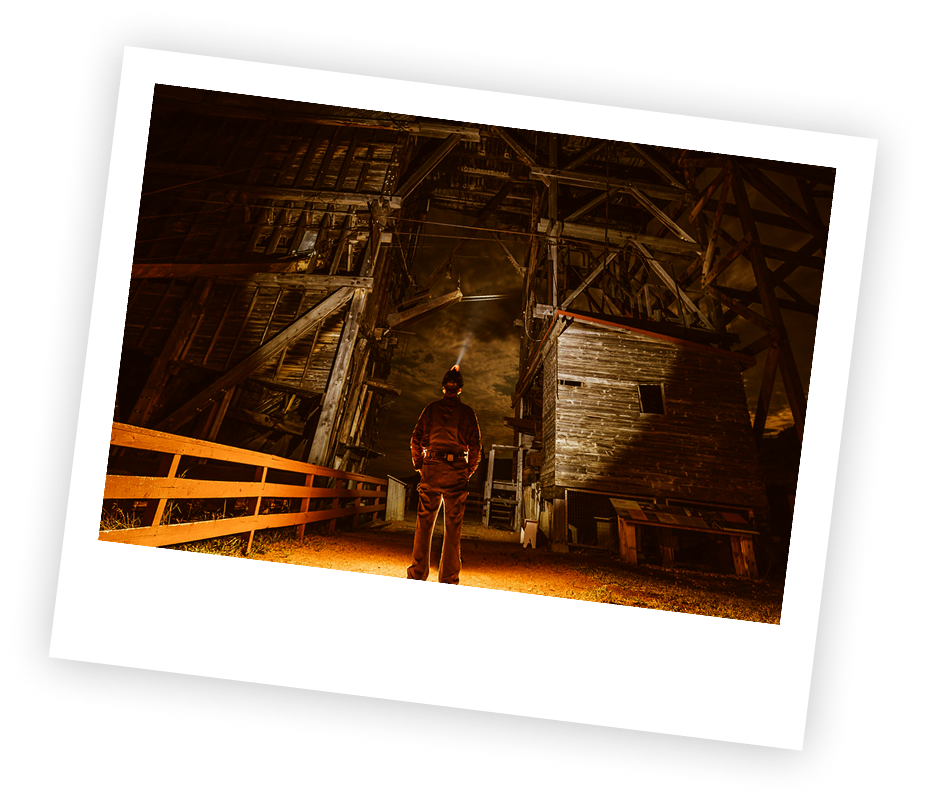
No visit to Drumheller is complete without the award-winning Atlas Coal Mine National Historic Site, often called the best guided historic tour in Canada. As the country’s most complete historic coal mine and home to Canada’s Last Wooden Tipple, Atlas offers guided train, walking, and hiking tours. Off-season highlights include Atlas After Dark and Christmas in the Coulee. In 2026, a new Pit Pony exhibit and the book launch of It’s A Miner’s Life!, a social history of Drumheller Valley miners, are featured.
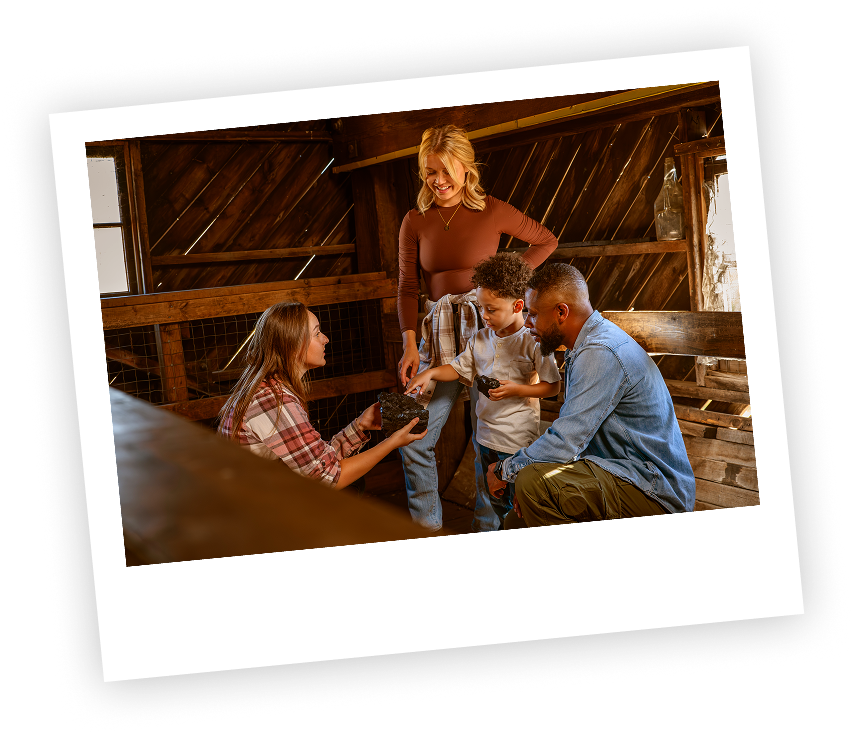
Just five minutes away, the East Coulee School Museum explores the lives of immigrant mining families. In May, the community hosts East Coulee Springfest, one of Alberta’s top indie music festivals, and in December the museum co-hosts Christmas in the Coulee.
Two blocks away, Caracol Clay Studio displays hand-built pottery by internationally recognized artists Janet Grabner and John Dahm. Visitors can meet the artists and browse one-of-a-kind pieces.
For a bite to eat, stop at Birdland Food & Drinks in East Coulee, where a custom-built kitchen inside a horse trailer serves outstanding barbecue sandwiches.
Tip #2: Historic Stays and Modern Eats
Many historic hotels now house standout eateries. The Last Chance Saloon (Rosedeer Hotel) in Wayne, established in 1913, is the Valley’s oldest continuously operating saloon. Bullet holes still mark the walls, cosy rooms are upstairs, and the smokehouse menu is a local favourite.
Rosedale’s Roadhouse Bed and Barbeque operates from the former Rosedale Hotel, built in 1919. Its smoke-pit menu is family-friendly, and seven themed rooms offer an affordable overnight stay.
Newcastle’s 1924 historic hotel hosts Sam’s Kitchen, serving authentic Indian cuisine that draws diners from as far as Calgary. Locals recommend the Mango Chicken.
The busy Vintage Tap House occupies the former Alexandra Hotel. Vintage No. 1 Pub & Grill offers a licensed lounge, while Vintage No. 2 Kitchen & Bar welcomes families in the old hotel side.
A short stroll from downtown is The Tyrannosaurus Rest B&B, the former home of Drumheller Valley’s first mine owner, Jesse Gouge. This 1912 Edwardian brick house offers comfort, historic charm, and good food, making every stay memorable.
Tip #3: Downtown: Where Drumheller’s Wild History Lives
Step into the tasting room at Valley Brewing, Drumheller’s local craft brewery on 3rd Ave W. Using Alberta-grown barley and sustainable ingredients, each brew tells a story of the Valley’s history. Try a flight to sample a range of refreshing beers.
Nearby, Drum Distilling Co. produces gin, rum, and vodka. Fanny’s Finest London-style Gin honours Fanny Ramsley, a colourful local figure, while Stolen Bones Spiced Rum recalls the Great Dinosaur Fossil Rush. Drum Distilling also makes Drum Soda Works, a line of non-alcoholic flavours in collectible comic-book-style cans. Enjoy a house cocktail or classic in the Tasting Room, or take a bottle home.
Drumheller is also known as one of Canada’s most haunted communities. The Drumheller Guided Ghost Walk is an evening lantern tour sharing a century of gritty stories. The Haunted Johnston House Tour lets paranormal fans explore and investigate the town’s eerie past.
Tip #4: Drumheller Valley is for Explorers
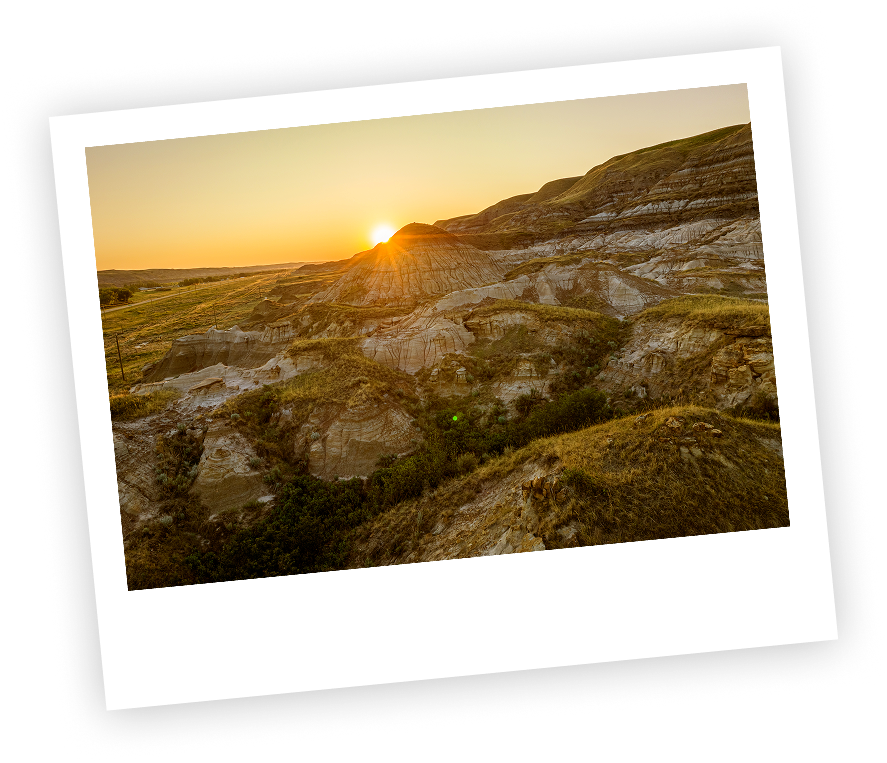
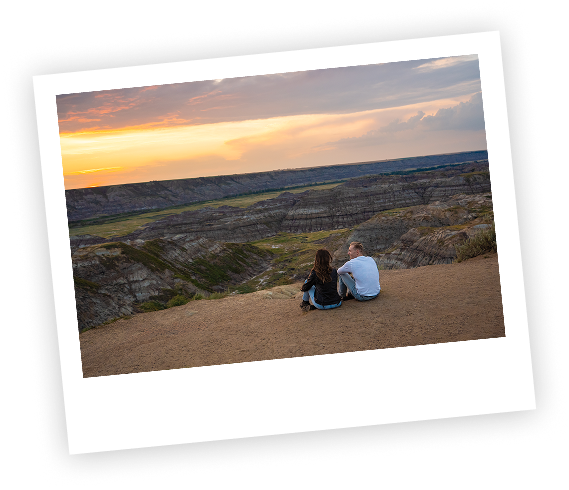
Drumheller offers stunning landscapes for explorers. Just 5 minutes west, Horsethief Canyon provides breathtaking views, especially at sunset from the new viewpoint.
Nearby, Badlands Amp offers guided sun-soaked hikes. The Three Valley Gap tour explores the Corral Creek bed and ecosystem, featuring bentonite clay walls, iron-rich rock, black carboniferous deposits, and bird-watching opportunities.
The Mine Portal Hike is ideal for hikers seeking views and mine stories. This moderately strenuous hike climbs 40 metres along the historic Miner’s Trail and leads underground into the Atlas #3 portal.
Tip #5: Royal Tyrrell Museum
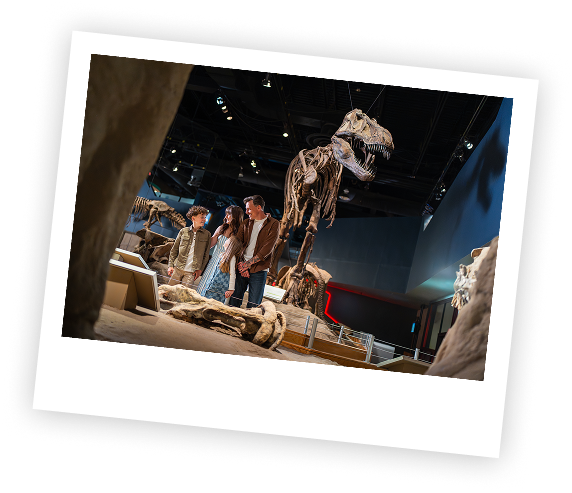
The Royal Tyrrell Museum ranks among the world’s best museums. Look for the Borealopelta in the Dinosaur Hall. Discovered in the Alberta Tar Sands, the Borealopelta markmitchelli is one of the finest and most fascinating fossil exhibits in the world. Insider Tip: Book your visit in advance to avoid line-ups and disappointment.
Tip #6: Live Performances
Twenty minutes away lies Rosebud, settled long before Drumheller and known for attracting talented artists. Nearly a century ago, Group of Seven artists A.Y. Jackson and H.G. Glyde painted scenes of the area. Today, Rosebud is home to the Rosebud Theatre, offering professional dinner and theatre, and the Rosebud Centennial Museum, which features artwork by W. Ray Salt and exhibits on settler life. The town also has galleries and shops. Hours often depend on theatre shows, so visit Rosebud.ca to plan your trip.
Closer to Drumheller, Badlands Amp in Newcastle seats 2,500 guests in a 160-hectare outdoor amphitheatre. Highlights include the Canadian Badlands Passion Play in July and live concerts throughout the season. Recent performers include Jann Arden, Barenaked Ladies, and Tom Cochrane. Check the Amp’s website for performance dates.
Bonus Tip: Honour Our Coal Miners
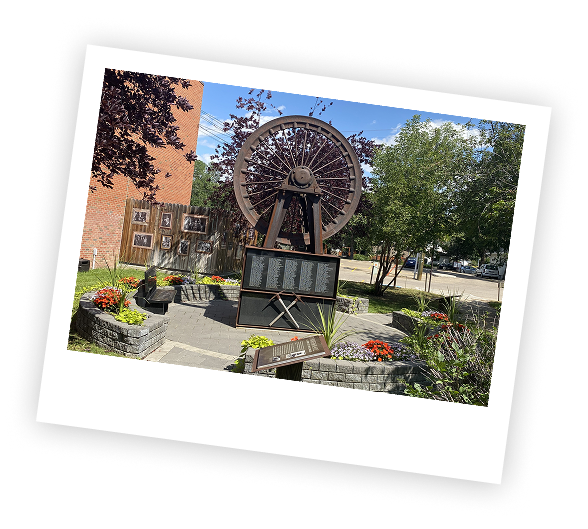
Miner’s Memorial Park on Centre Street beside Town Hall commemorates the more than 207 miners killed between 1911 and 1980. The park features artworks, historic images, and a memorial listing every known miner, a solemn reminder of the human cost that shaped the Valley.
Drumheller is waiting for you.
While you are here, do not just stay in town. Get out on the road. Take the scenic loop. Follow the bend. Let the Badlands surprise you.
